Millennial Grey is Officially Dead...Here's What's Replacing it in 2026

Updated: Jul 27
For over a decade, millennial grey dominated interiors. It was safe, neutral, easy, and did its job.
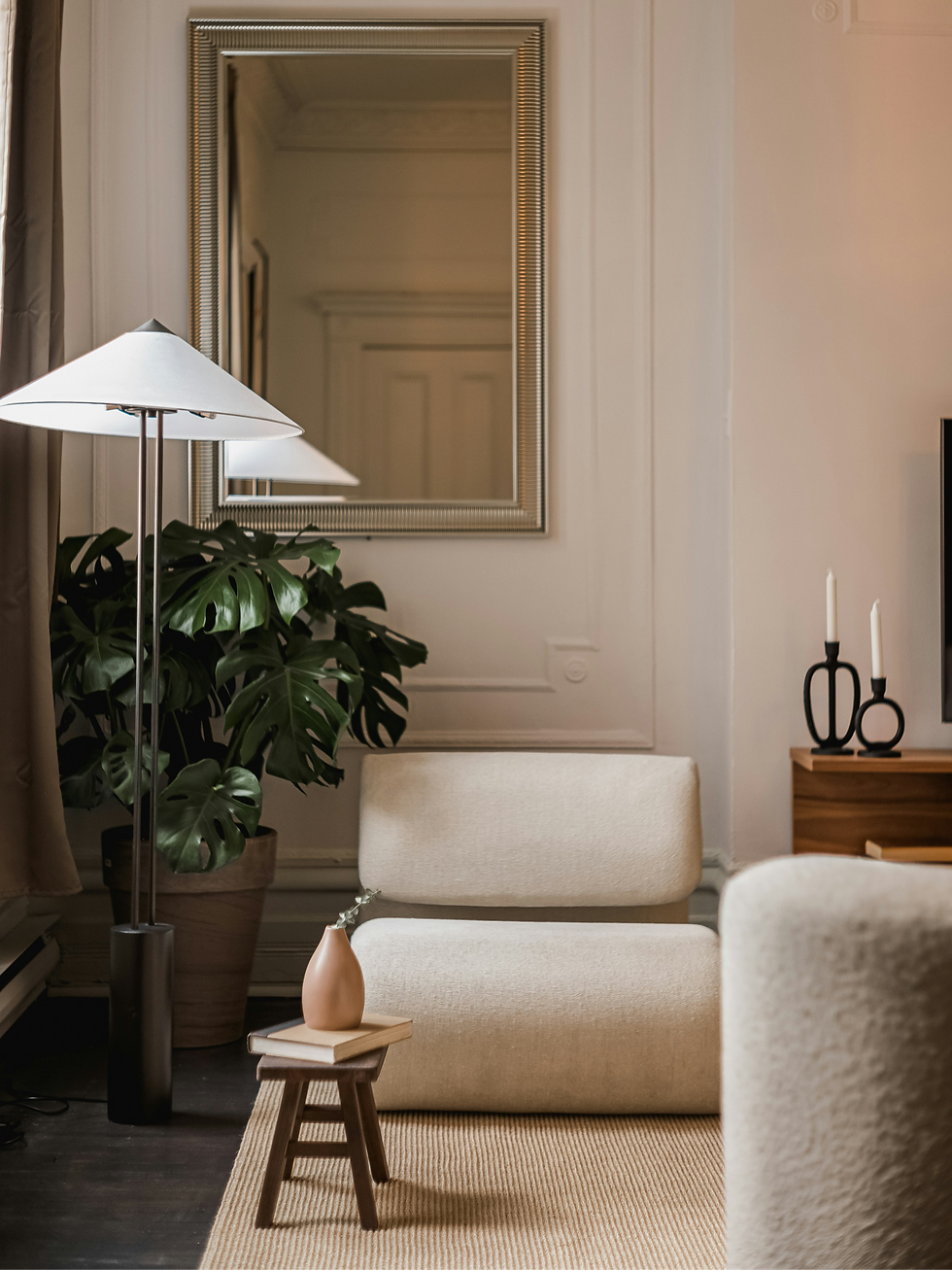
In 2026, the design world has officially moved on. The replacement for millennial grey isn’t one single color. Today’s interiors are about emotion, texture, and depth. Homes are no longer designed just to photograph well, but rather to feel lived in. It’s a mindset shift toward warmth, character, and intentionality.
Here’s what’s taking its place and where to shop the look.
Softer Silhouettes

Sharp edges and ultra-minimal forms are giving way to curves, arches, and relaxed profiles.
Think rounded sofas, softly shaped dining chairs, curved kitchen islands, and organic lines throughout the home. These shapes create visual flow and instantly make spaces feel more welcoming. Soft silhouettes counterbalance modern architecture and open floor plans, making rooms feel less rigid and more human.
Where to shop:
Crate & Barrel, McGee & Co, Arhaus, Restoration Hardware
Warm, Earthy, Bold Color Palettes

In place of grey on grey, you'll find grounded, nature-inspired hues specifically chosen for depth and with confidence.
Expect to see colors in these families:
Clay & terracotta
Olive, moss, & deep sage
Warm taupe & mushroom
Inky browns, rusts, & oxblood
What makes these palettes so appealing is their versatility. They pair beautifully with wood, stone, and metal, and they add instant depth to open-concept homes that once felt flat and unfinished. Warm neutrals actually also photograph better than cool grays and can help create a stronger emotional appeal for buyers.
Where to shop:
CB2, Joss & Main, West Elm, Pottery Barn
Decorative Detailing

After years of minimalism, thoughtful detail is back. Intentional character that elevates a space without overwhelming it. Fluted wood, reeded glass, subtle molding, and thoughtfully chosen hardware are adding dimension without tipping into ornamentation. A touch of detail signals care and quality, something buyers and homeowners instinctively respond to.
Where to shop:
McGee & Co, Rejuvenation, Anthropologie Home
Natural Materials & Textured Surfaces
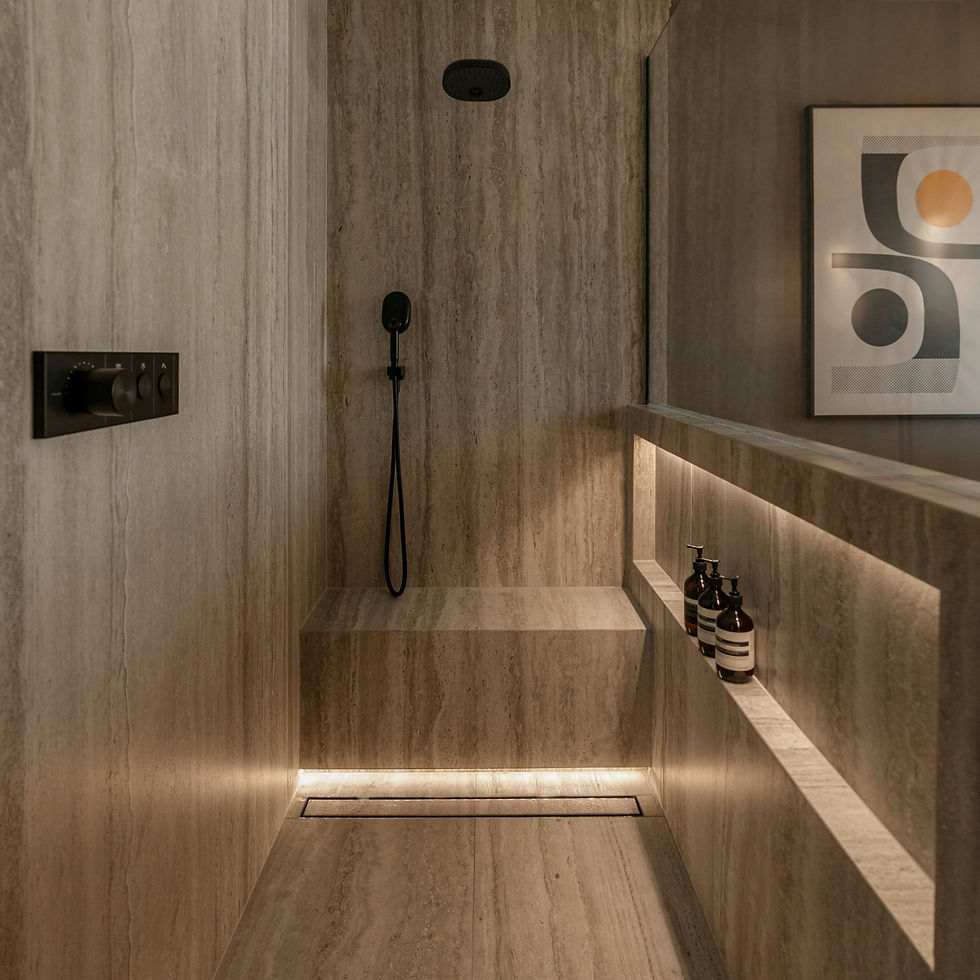
As color palettes warm up, materials are doing more of the visual work. Natural stone, visible wood grain, plaster finishes, linen upholstery, and wool textiles add depth without overwhelming a space. Texture has become the new neutral.
These materials tend to age beautifully, developing character over time rather than looking dated. That sense of longevity is a key reason they’re replacing grey-heavy interiors that often feel cheap & disposable.
Where to shop:
The Citizenry, Joss & Main, CB2, Crate & Barrel
Color Drenching

Rather than relying on contrast, many designers are embracing saturation through color drenching, or applying a single hue across walls, trim, ceilings, and sometimes even cabinetry. The effect is immersive and surprisingly calming. Deep greens, warm browns, soft whites, clay tones, and softened charcoals (far from true gray) are popular choices.
When done well, color drenching creates a sense of cohesion + depth that stark white walls cannot achieve. This approach works especially well in offices, bedrooms, & dining rooms.
Where to shop:
Farrow & Ball, Benjamin Moore, CB2, Sherwin Williams
The death of millennial grey isn’t about abandoning neutrality altogether, rather replacing blandness with depth, and safety with soul. Homes are becoming more personal, more tactile, and more expressive, and that shift isn’t going anywhere. If you’re designing, renovating, or preparing a home for sale, leaning into warmth and texture is a strategic stylistic choice.
Carlos Moreno is a licensed Real Estate Advisor based in Phoenix, Arizona, US. He works with buyers, sellers, and relocation clients looking to make a move in one of the most desirable regions in the country.