Expensive vs Well Designed Spaces

Updated: Jul 27
Some spaces look expensive at first glance, but the feeling doesn’t last. Others feel settled, intentional, and easy to be in, and those are the ones people remember. In real estate, that distinction matters more than most sellers realize.
Spending more doesn’t automatically translate to a better looking home. It’s common to see "high-end" finishes, statement lighting, or designer furniture layered into a space without much thought to how everything works together. The pieces might be beautiful on their own, but the overall result can feel a little...off. Flips come to mind. The quick renovation might look clean, but something inside is telling you it feels sterile.
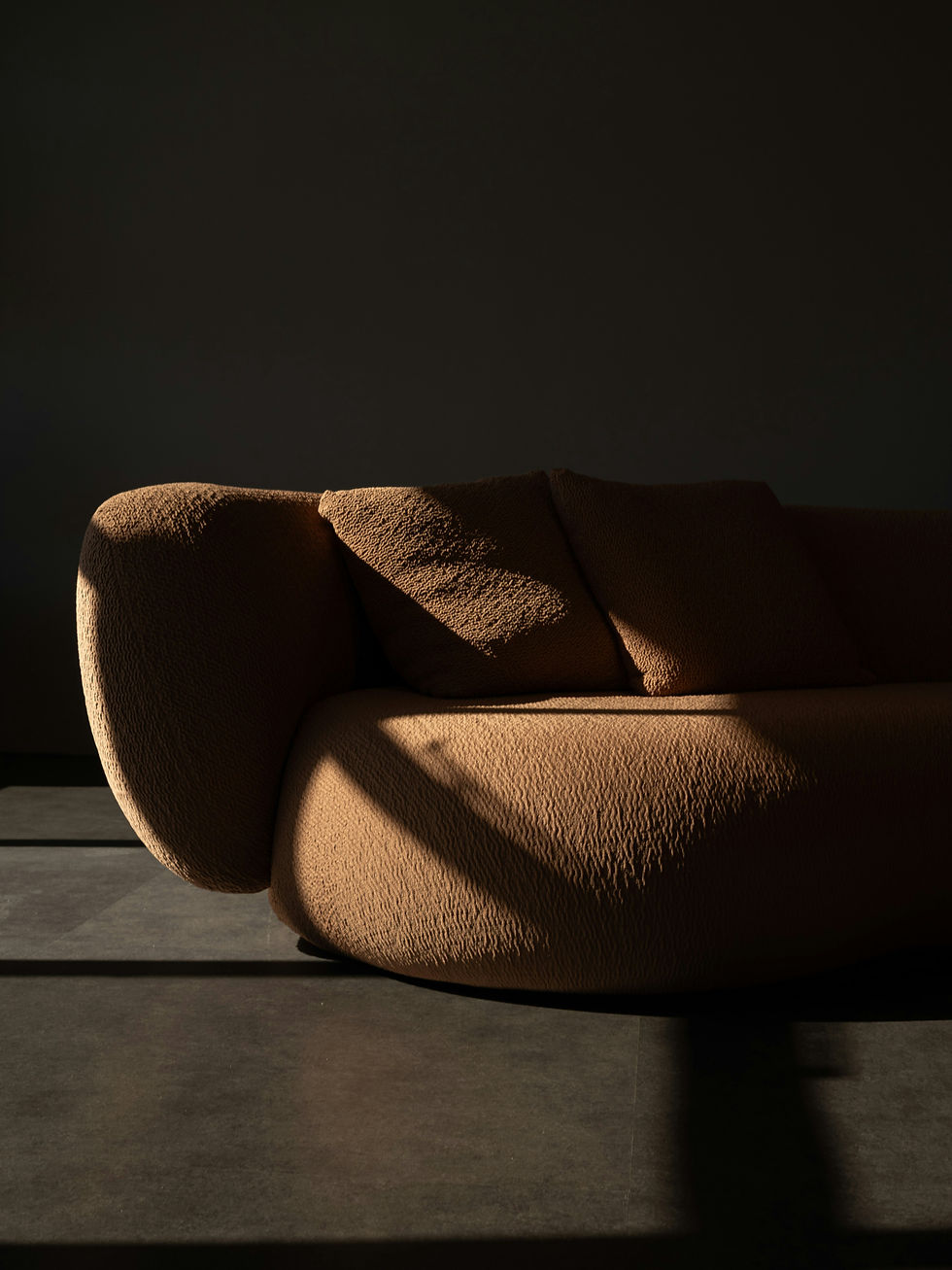
And buyers pick up on that quickly, even if they can’t explain why. When a home feels disjointed, it tends to sit longer and invites more negotiation, potentially costing you (the seller) more. Well designed homes feel different because everything is working in the same direction. The scale makes sense, the layout flows, and the materials feel consistent from one room to the next. Nothing is competing for attention. It feels curated vs bulk bought, and often times museum-esque.
If you’re getting ready to sell, this is where small decisions start to matter, and no this isn't about a full renovation. Most of the time, it comes down to editing what you already have. Adjusting furniture placement, updating lighting, simplifying finishes, and creating a more cohesive look can shift how your home is perceived. If you haven’t read it yet, my post on how to make your home look more expensive goes deeper into the specific updates that can actually help move the needle when it comes time to sell. The same idea shows up in how you furnish a home. Buying more doesn’t fix the problem. Choosing better pieces does. I touched on this in the furniture edit, where I break down how to find pieces that feel collected and elevate the space without overfilling it. When the right pieces are in place, everything else starts to feel more intentional.
For buyers, this perspective changes how you walk through homes. It’s easy to get distracted by surface-level upgrades, but those aren’t always what make a home work long term. Paying attention to layout, natural light, and how the space flows will tell you a lot more about the home than finishes alone. If you’re relocating, this becomes even more important as you start comparing homes and neighborhoods. I cover more of that in my relocating to Arizona guide, which walks through what actually shifts once you’re here and what's worth taking note of.
At the end of the day, the homes that stand out are the ones that feel put together, easy to live in, and aligned from top to bottom, not necessarily the most expensive ones. That’s what buyers respond to, and that’s what drives stronger results when it’s time to sell.
Carlos Moreno is a licensed Real Estate Advisor based in Phoenix, Arizona, US. He works with buyers, sellers, and relocation clients looking to make a move in one of the most desirable regions in the country.